Did Shrek 5 Fall Into the Uncanny Valley?
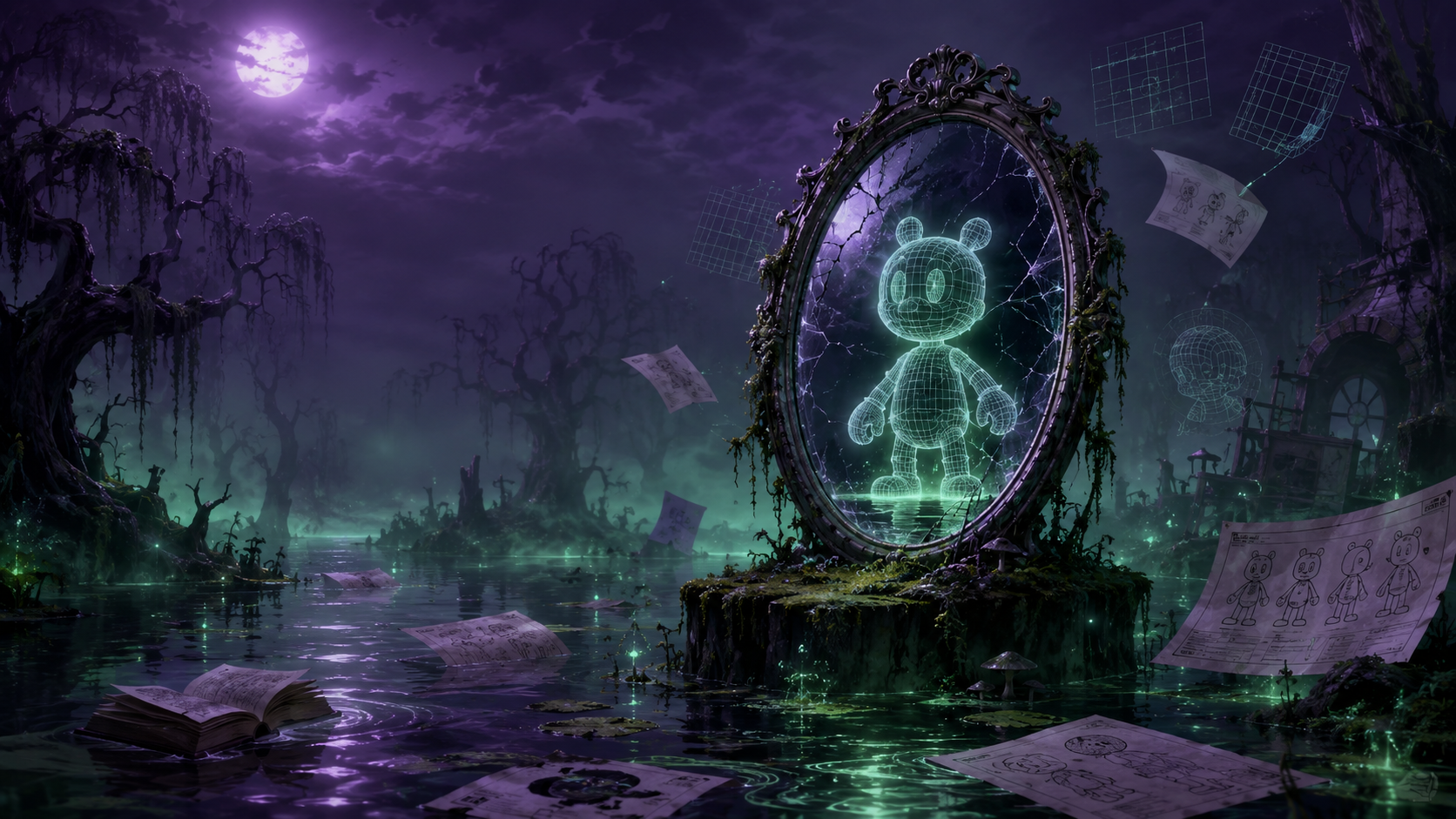
The new Shrek 5 trailer reignited something powerful: nostalgia. But it also opened a dangerous door. The door of the Uncanny Valley.
For many people, the reaction wasn’t simply “it looks bad” or “it looks good.” It was more specific: “it looks like Shrek, but it doesn’t feel like Shrek.” That’s the point.
The Uncanny Valley happens when something gets close to being familiar, human or recognizable, but a few details break the expectation. The brain registers the object as almost right. But that “almost” creates discomfort. It’s the hyper-realistic doll. The digital face polished one degree too far. The animation that resembles the original character but carries a different soul.
Shrek always had its own distinct visual language. The franchise was born as a parody of perfectly tidy fairy tales. The world was slightly crooked, rough, full of texture. The ogre didn’t need to be pretty. In fact, the charm came precisely from the strangeness, the expressive ugliness, and the visual humor.
When new material appears cleaner, rounder, more “modern” and more cartoonish, part of the audience senses a loss of identity. It’s not just nostalgia. It’s broken recognition. The character is there. But it looks like a parallel version of itself.
That’s why the pushback landed so hard. Shrek isn’t just a character. It’s emotional memory. When someone tinkers too much with the face of a memory, the audience notices.
And so the ogre falls into the most dangerous swamp in pop culture: the swamp of “it kind of is, but it kind of isn’t.”
Interested in how the brain reacts to the almost-familiar? Also read: Misantropi4 — when the familiar becomes an intrusion, another case where perception was shaken by one detail out of place.
Want to truly understand the Uncanny Valley? Start with the classic that created the laws of robotics 👇