Aliens at 40: when the future learned to rust
Aliens opened in the United States on July 18, 1986. Forty years later, its creature remains frightening, but the most enduring part of that universe may be everything built around it.
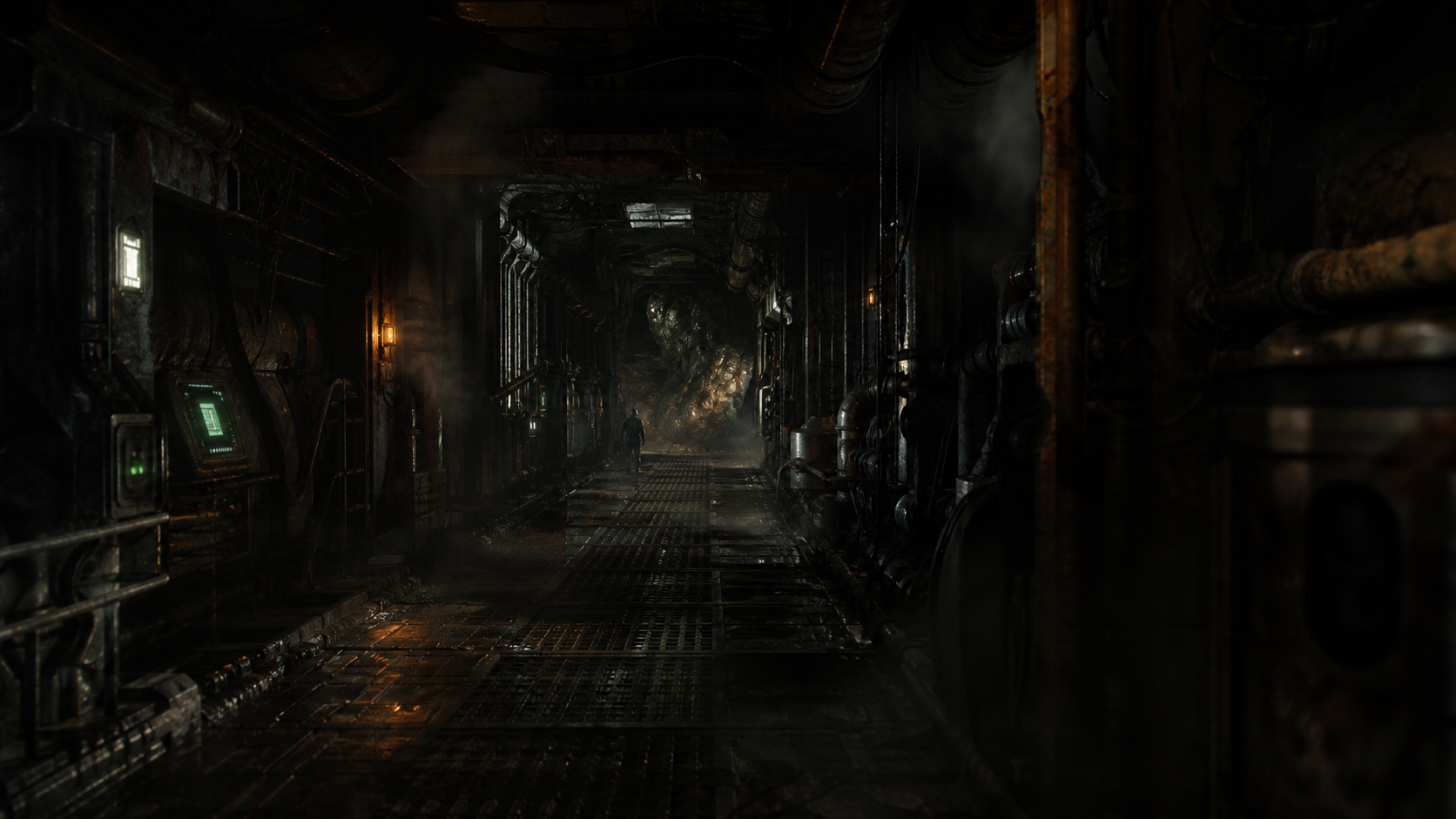
The future of Alien is not clean. It rattles, sweats, leaks and requires maintenance. Pipes remain exposed, computers behave like factory tools, and crews argue about pay, bonuses and contracts. Before any organism appears, we understand that these people work inside a machine larger than themselves.
That “used future” changed science fiction. A spaceship became a workplace rather than a technological palace. Its occupants were not chosen knights; they were tired professionals trying to finish a route. When the threat arrived, the company saw property and research. The people aboard saw survival.
Industrial fear
The 1979 Alien turned space into a blend of freighter, mine and haunted house. Aliens expanded the scale in 1986 while keeping the grime. An entire colony could vanish while reports, protocols and corporate interests continued to operate.
The horror therefore never depended only on the monster’s anatomy. It emerged from the clash between biological life and industrial architecture. The threat belonged in those corridors because the corridors already resembled an organism: dark, repetitive and filled with passages nobody completely controlled.
Labor and disposability
People in the franchise are repeatedly reduced to functions: crew member, colonist, soldier, synthetic, executive. The question is not simply who survives, but how much a life is worth after a corporation has priced the risk.
Forty years on, Aliens still works because its future did not look like a promise. It looked like a work shift that had gone terribly wrong.
The fear was never only inside the creature. It was also inside the system determined to bring it home.
Keep exploring space horror 👇